

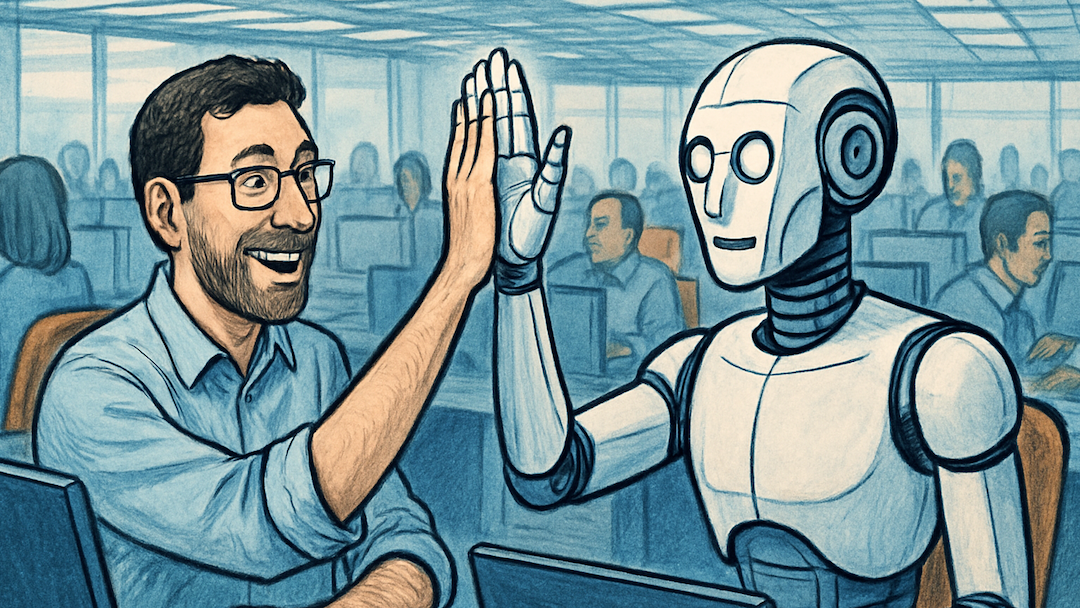
AI-Native vs AI-Enabled
In conversations about SAP consulting careers in 2025, we need to be clear about the difference between “AI-native” roles and “AI-enabled” roles.
AI-native roles are new jobs that exist because AI has become part of the SAP landscape.
These are the architects, engineers, and data specialists who design, operate, or govern AI-driven capabilities in projects.
They spend their time on agent frameworks, vector databases, knowledge graphs, document intelligence, and automated workflows. Their day-to-day work would not exist without AI having moved into the heart of the SAP platform.
By contrast, AI-enabled roles are the traditional consulting jobs: finance, logistics, HR, procurement, that have started using embedded AI features. A consultant in S/4HANA Finance may use Joule prompts to query data more quickly, or a SuccessFactors consultant may use AI-based skills matching in talent management. These roles remain firmly rooted in functional consulting, even though the tools available to them now carry AI features. This means that the functional consultant’s work is shaped by AI but not entirely defined by it.
The distinction matters because the SAP job market is full of noise. Vendor announcements, community posts, and conference talks can list every AI use, but only a fraction of these have matured into actual consulting jobs with hiring demand that can be described primarily as SAP AI roles.
With this distinction in mind, this article from IgniteSAP explores where new career opportunities are forming, and where familiar roles are simply acquiring new tools.
Building Careers and Teams Around SAP AI
The SAP consulting job market in 2025 is noisy and dynamic: full of announcements, pilots, and shifting expectations, but AI-native roles exist, and they are growing. They are concentrated in areas like architecture, engineering, data, document processing, automation, integration, analytics, and HR intelligence.
Meanwhile AI-enabled roles (which include most SAP roles) are requiring consultants to use AI-driven tools. The most opportunity lies in consultants adding AI-native skills to their portfolios and consultancies building balanced teams that combine architects, engineers, data specialists, and compliance experts.
AI is not the end of SAP careers but a shift in focus. Those who take the time to build small but real deliverables, measure results, and learn governance will find themselves in demand, but traditional functional roles will also persist with AI-enabled capabilities.
The future of SAP consulting will revolve around translating AI capabilities into business outcomes with accountability and trust. Those who make this their craft will not only stay relevant, they will lead the next chapter of SAP projects.

Leave a Reply